
Have You Ever Wondered Why We Say “Bless You” When Someone Sneezes?
Superstitions—they’re those little beliefs or practices that many of us follow, often without knowing why. In today’s blog post, we’re diving into “Unveiling the Past: Exploring the Origin of Common Superstitions” to shed some light on these quirky traditions that have been passed down through generations.
Breaking a Mirror Brings Seven Years of Bad Luck
This belief comes from ancient times when mirrors were not just reflective surfaces but were considered tools to look into one’s soul. The Romans believed that life renewed every seven years, so breaking a mirror would damage your soul for that period. Isn’t that an intriguing way to keep people from being careless with expensive items?
Walking Under a Ladder? Bad News!
Next up on our journey in unveiling the past is the superstition about walking under a ladder. This one stems from medieval times when the ladder symbolized the gallows where people were hanged. Passing under a ladder was believed to invite your own death. Additionally, in Christian symbolism, a leaning ladder against a wall forms a triangle, representing the Holy Trinity. Therefore, walking through this triangle was considered an act of disrespect.
“Bless You” After a Sneeze
You’ve likely said this many times, but why do we say it? In ancient times, sneezes were thought to expel demons from the body. Saying “bless you” was a way to protect the sneezer from evil spirits re-entering. During the dreadful plague times, a sneeze was often the first sign of infection; thus, the phrase was a prompt prayer for health.
Black Cats and Bad Luck
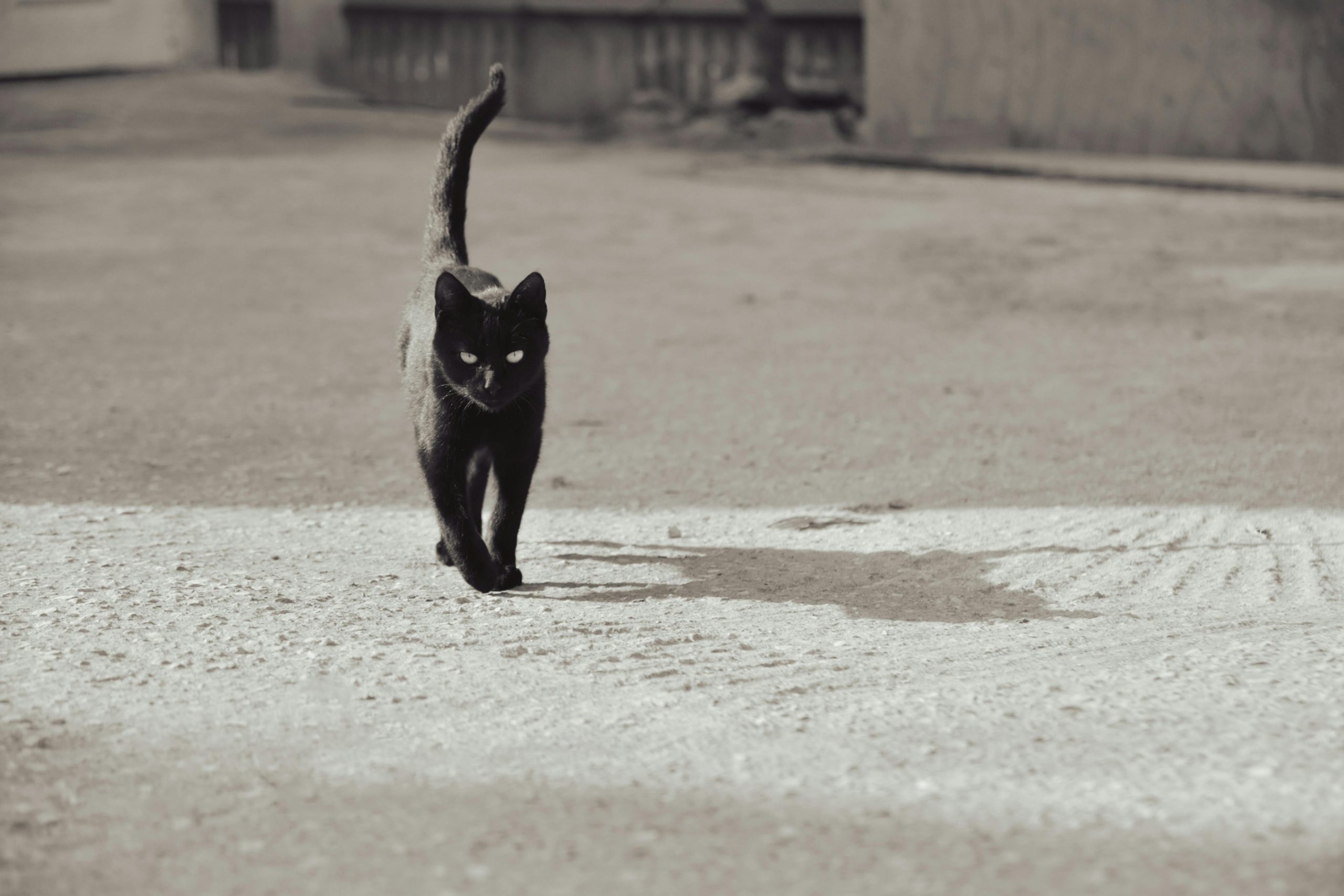
In our exploration of the origin of common superstitions, black cats often come up. In Medieval Europe, black cats were thought to be witches’ familiars, or even witches themselves disguised. This led to the belief that crossing paths with a black cat could lead you into a witch’s curse!
Knocking on Wood
Ever knocked on wood after mentioning good luck? This practice originated from the pagan belief that spirits resided in trees. Knocking on wood was a way to alert the spirits to protect oneself or to express gratitude without arousing jealousy.
FAQs about Superstitions
Q: Are superstitions real?
A: Superstitions are more about tradition and cultural beliefs than about proven facts. They offer a way to feel some control over the uncertainties of life.
Q: Where do new superstitions come from?
A: New superstitions often arise from popular culture, such as movies, books, or events that have a significant impact on society. They can also develop from misinterpretations or even jokes!
Q: Can I create my own superstition?
A: Certainly! Superstitions start when enough people believe in a practice or a belief and pass it on. Just make sure it’s a positive one!
In Conclusion
In unveiling the past and exploring the origin of common superstitions, we realize that these beliefs not only connect us to our history but also enrich our cultural tales. They remind us of the mysterious ways our ancestors made sense of the world around them, influencing how we perceive luck and misfortune today. While we may no longer believe in the literal dangers of walking under a ladder or the doom foretold by a black cat crossing our path, understanding the roots of these superstitions gives us a glimpse into the challenges and imaginations of those who lived before us. So next time you hesitate before opening an umbrella indoors, remember—it’s just one of many threads weaving through the intricate tapestry of human folklore.