
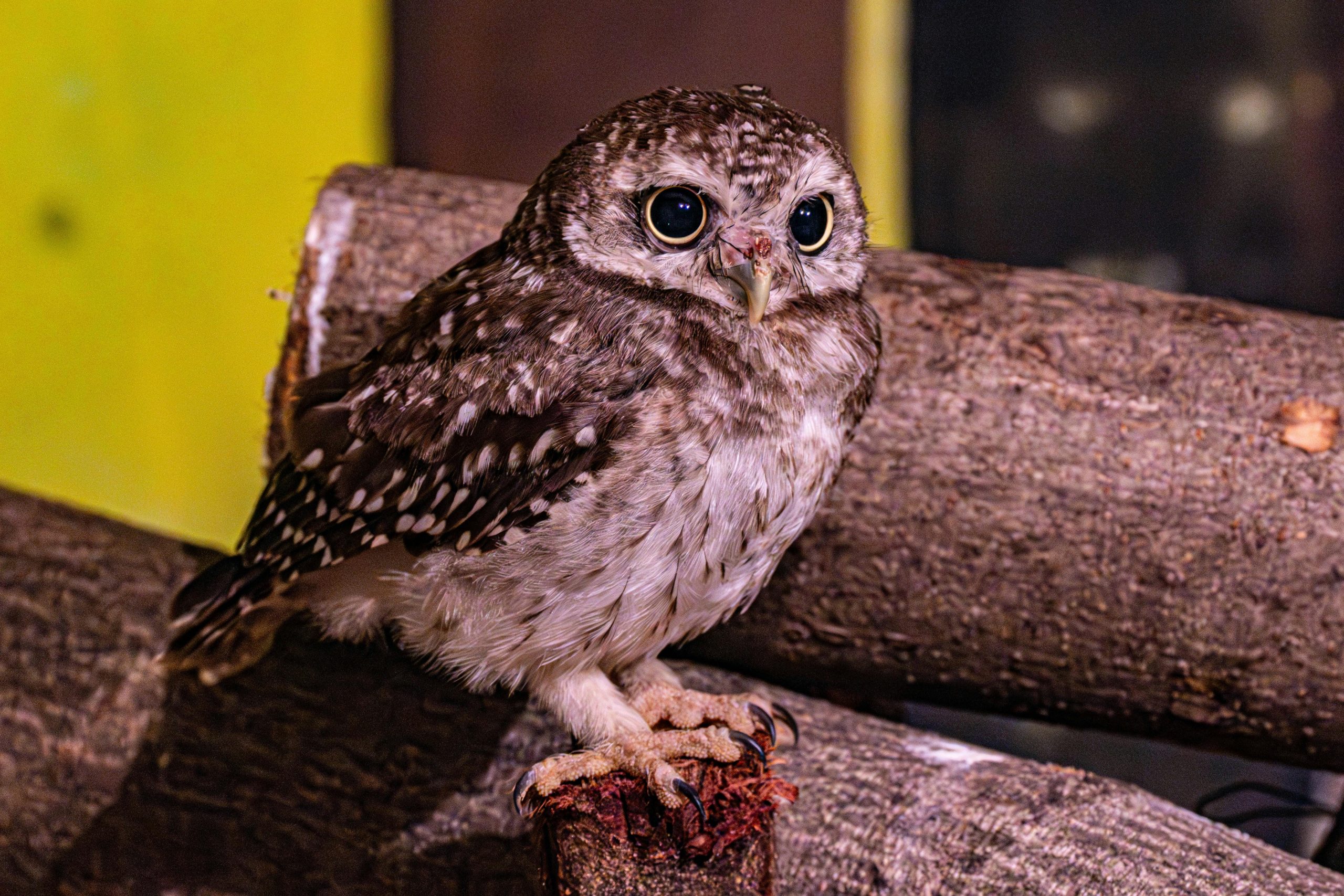
Have You Ever Wondered Why Owls Seem So Mysterious?
Welcome to a fascinating exploration of owl superstition across the globe: beliefs and myths from diverse cultures. Owls, with their silent wings and big, wide eyes, have captivated humans for centuries. In many places around the world, these birds are wrapped in legends and stories, and people treat them with awe and a bit of fear. Let’s dive into how different cultures view owls and uncover some cool and quirky superstitions.
Owls in Ancient Greece: Wise Birds of Athena
In ancient Greece, owls were seen as symbols of wisdom. Why, you ask? Well, because they were the chosen bird of Athena, the Greek goddess of wisdom and warfare. Greeks thought that seeing an owl before a battle was a sign of victory. Imagine going to war and feeling confident just because you spotted a silent, wise owl on your way!
Native American Owls: Messengers and Protectors
Moving to North America, many Native American tribes had enormous respect for owls. They often viewed these birds as protectors and messengers. For some tribes, the owl was a guide. It would help souls in the afterlife find their way. But, not all tribes thought owls were friendly. Some believed that owls predicted death or disaster. If they heard an owl’s hoot, it might mean that something bad was going to happen.
The Owl’s Gaze in Indian Folklore
In India, the belief about owls can be quite different. Owls are often associated with the goddess Lakshmi, who is the deity of wealth and prosperity. However, despite this positive connection, in some parts of India, owls are seen as bad omens, especially if they appear during the day. It’s a complex mix where the same bird can mean good luck and bad luck!
Owls in Egyptian Culture: Guardians of the Dead
In ancient Egypt, owls were connected with the otherworldly. Egyptians believed that owls protected the spirits of the dead and guided them through the underworld. Seeing an owl wasn’t scary for them; it was reassuring—a sign that the spirit world was keeping a watchful eye.
Japanese Owl Beliefs: Bringers of Luck
Jumping over to Japan, owls are generally seen very positively. In Japanese culture, owls are considered to bring luck and protect the home. There are even cute owl charms, called “fukurou,” which people keep to ward off bad fortune and encourage good things to come their way.
FAQ About Owls and Superstitions
Q: Why are owls considered wise?
A: Owls have been linked to wisdom mainly because of their big, alert eyes and calm demeanor, which make them appear knowledgeable. This idea was strongly reinforced in ancient Greece thanks to their connection with the goddess Athena.
Q: Can owls really predict the future?
A: While many cultures have legends about owls predicting events, there’s no scientific proof that owls have this ability. The beliefs are more about the symbolism people attach to owls than their actual behavior.
Q: Why do some cultures fear owls?
A: The fear mainly comes from the owl’s hunting style and its nocturnal nature. Their silent flight and sudden calls in the night can be quite startling. Plus, their role in folklore as omens of death adds to their fearsome reputation.
Conclusion
Owl superstition across the globe: beliefs and myths from diverse cultures reveal just how much these mysterious birds have influenced human thought and tradition. Whether seen as wise guides, protectors of souls, or omens of change, owls continue to be a potent symbol in many cultures around the world. The next time you hear an owl hoot or see one on a moonlit night, remember, you’re witnessing a creature steeped in history and myth!
In every corner of the world, owls hold a special place in the hearts and minds of people. They teach us about the diverse world we live in, filled with stories and traditions that date back centuries. Owls aren’t just birds; they’re storytellers, carrying the tales of the cultures they’ve flown through. So the next time you spot an owl, think about the legends it might be guarding and the stories it could tell.