
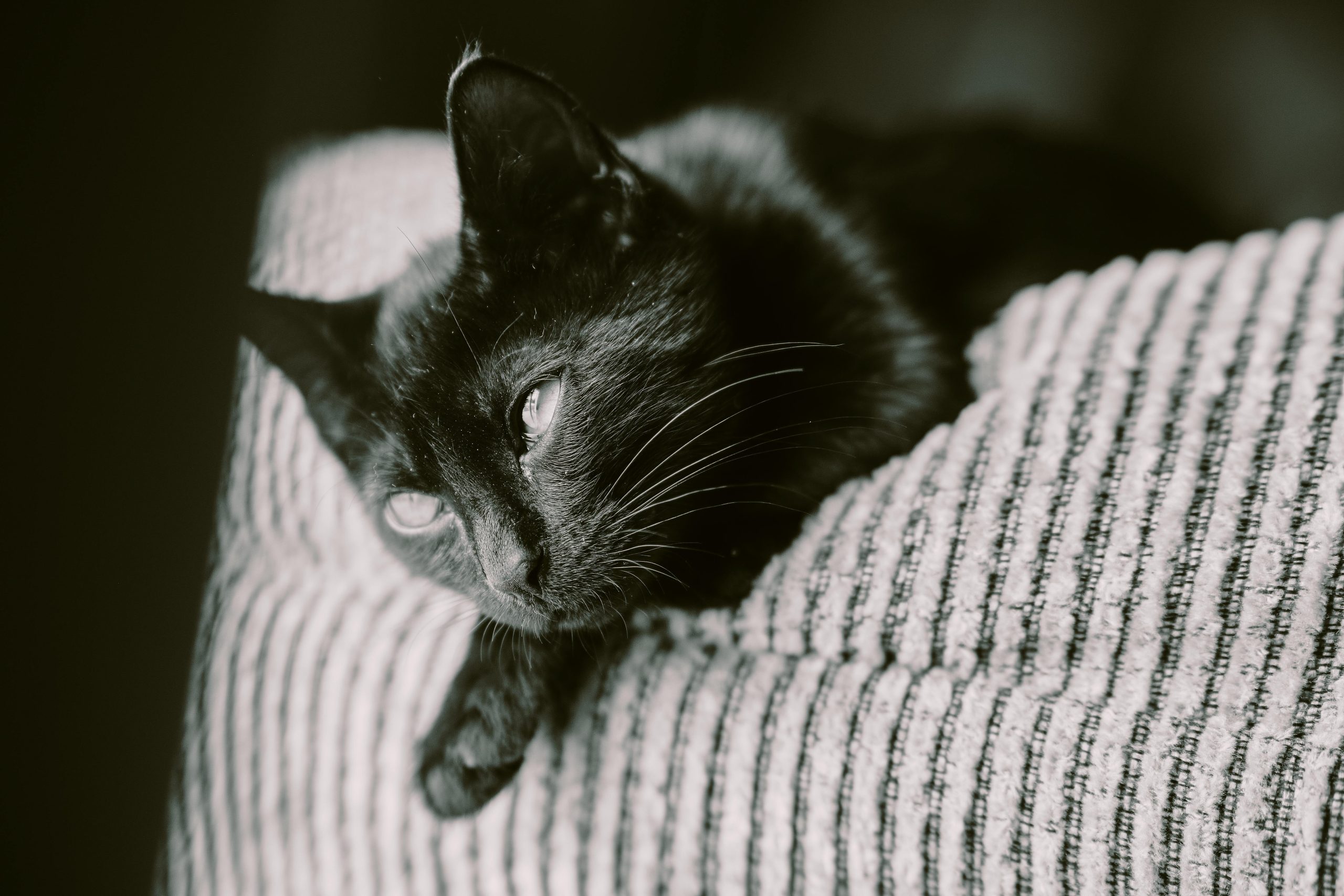
Have you ever wondered why some people avoid walking under ladders or get jittery when a black cat crosses their path? From Black Cats to Broken Mirrors, there are numerous superstitions that have woven their way into the fabric of various cultures, influencing people’s behaviors and beliefs. Today, let’s explore the fascinating world of these common superstitions, understand their origins, and see how they impact our lives today, all in a simple and enjoyable manner.
What Exactly Are Superstitions?
Simply put, superstitions are beliefs that certain events cause other events to happen without any natural connection between them. For example, thinking that breaking a mirror will bring seven years of bad luck is a superstition because there’s no scientific link between the broken glass and your future luck.
The Tale of the Black Cat
Let’s start with one of the most recognizable superstitions: black cats as a symbol of bad luck. This belief varies from one culture to another. In many Western cultures, black cats are often associated with witchcraft or misfortune. Historically, during the Middle Ages in Europe, black cats were considered to be witches’ familiars—creatures believed to be supernatural entities that would assist witches in their magic.
However, jump over to Egypt, and you’ll find that black cats were revered and considered good luck. This divergence shows how the interpretation of a black cat’s meaning can change dramatically depending on where you are in the world.
Broken Mirrors and Years of Bad Luck
Now, about those broken mirrors leading to bad luck. This superstition dates back to the ancient Romans, who believed that mirrors held a fragment of your soul. A broken mirror, therefore, was thought to damage your soul. They also believed that life renewed itself every seven years, so that bad luck would continue until the soul was restored, hence, seven years of bad luck.
Walking Under a Ladder: Why Risk It?
This one is linked to religion and safety. A ladder leaning against a wall forms a triangle, and in Christian symbolism, a triangle represents the Holy Trinity. Walking through this triangle was considered blasphemous and thus, bad luck. Also, let’s face it—it’s simply unsafe to walk under a ladder for fear of something falling on you!
Care to Knock on Wood?
Knocking on wood is one of the most widely recognized superstitions. It originated from the pagan belief that spirits lived in trees. Knocking on a tree was a way to invoke the protection or approbation of the spirit within. Today, people knock on wood to ward off bad luck or to prevent a good thing from going away.
Why Are We Attracted to Superstitions?
Despite living in a scientifically advanced age, superstitions endure. Why? Psychologically, they offer us comfort in uncertain times and a sense of control over our environment. They bring a communal sense of sorts, as these beliefs are often shared by groups, enriching our cultural identifications and connections.
FAQ Section
Q: Are superstitions based on any factual evidence?
A: No, superstitions are not based on scientific evidence. They are based on cultural traditions and personal beliefs.
Q: Can believing in superstitions be harmful?
A: While they seem harmless, overly depending on superstitions can lead to irrational fears or decision-making based purely on belief rather than facts.
Q: How do different cultures view the same superstition differently?
A: As seen with black cats, one culture may consider them bad luck, while another may see them as symbols of good luck. Cultural background significantly influences the interpretation.
Conclusion
From Black Cats to Broken Mirrors, superstitions can seem a bit illogical but they are a fascinating part of our cultural fabric. They remind us of ancient times and shared beliefs that shape our actions in small, often subconscious ways. Whether you choose to avoid that ladder or pet the next black cat you see, it’s interesting to reflect on why we do the things we do. Are you influenced by any superstitions? Next time one crosses your mind, you’ll know a bit more about where it came from!