
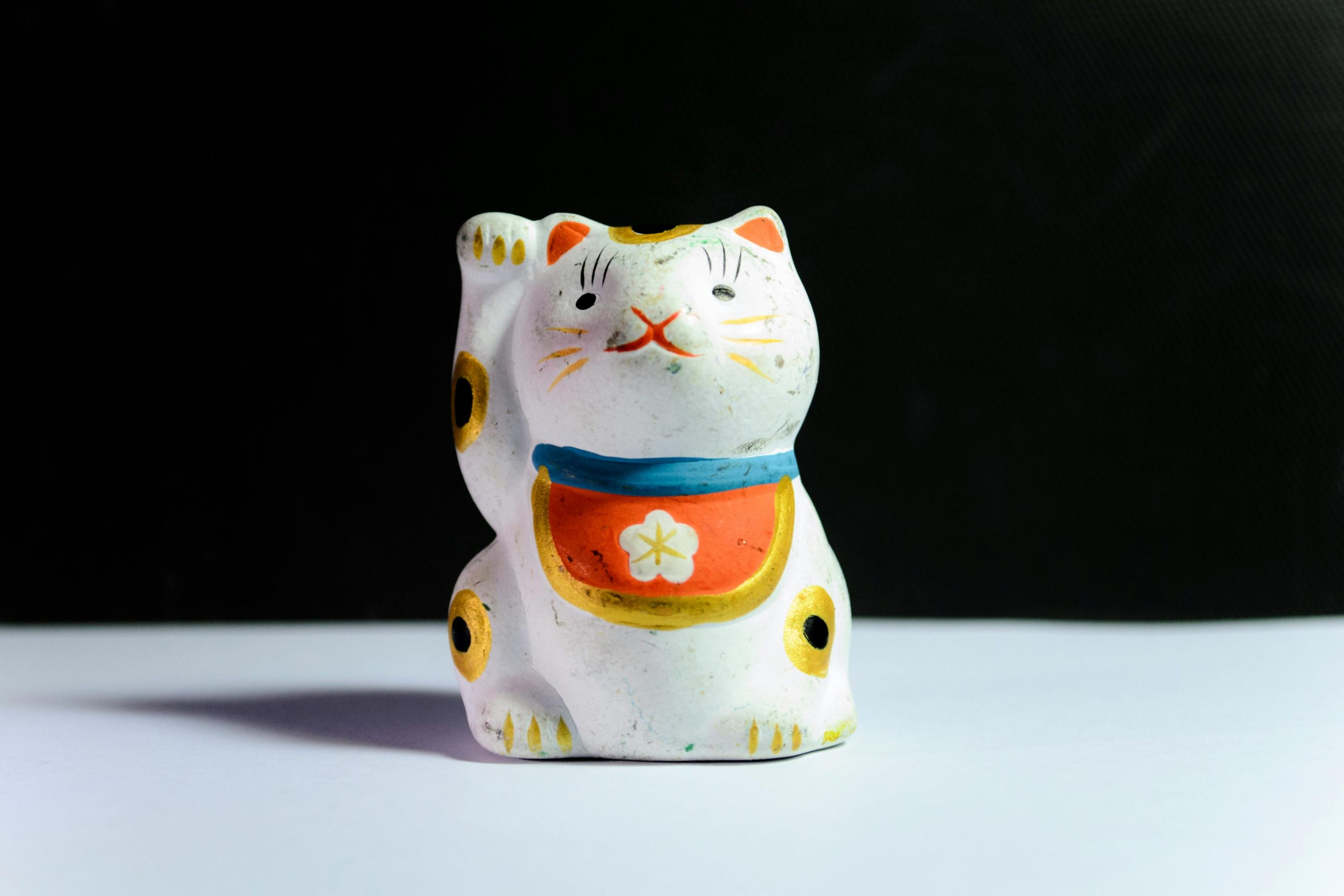
Have you ever wondered where superstitions come from?
Superstitions are like the old stories our grandparents used to tell — they’ve been around for ages and everyone knows a couple of them! Sometimes, they might even seem a bit odd. Why do some people get nervous about a black cat crossing their path, or worry when they break a mirror? Today, we’re diving into the fun world of decoding common superstitions and finding out why they stick around, even when they might not make much sense.
What Are Superstitions?
Simply put, superstitions are beliefs or practices that people follow even though they don’t have a scientific basis. Many of these started so long ago that people have forgotten why they first began doing them. Now, they mostly continue because of tradition or cultural reasons, often passed down through families.
Decoding Common Superstitions: The Classics
1. Walking Under a Ladder
Why is this a no-go? Originally, this superstition comes from the shape a ladder makes when it’s leaning against a wall. It looks like a triangle, which in some ancient cultures was considered a powerful symbol. Disrupting that shape was thought to be bad news!
2. Breaking a Mirror
This one often scares people because breaking a mirror was once thought to shatter the soul, reflecting in the mirror. The soul was believed to regenerate every seven years, and thus breaking a mirror would mean seven years of bad luck!
3. Black Cats Crossing Your Path
In some cultures, black cats are actually a sign of good luck, but in many parts of the world, they’re considered a bad omen. This idea may come from medieval times when cats were thought to be witch’s companions or even witches that transformed.
Why Do People Stick to These Beliefs?
A lot of it has to do with what we call ‘cautionary tales’. Long ago, when these superstitions began, using these stories with a dash of fear or mystery was a way to keep people safe or ensure they followed certain rules. Over time, even though the original reasons might not make sense anymore, the superstitions stuck.
Plus, there’s something called ‘confirmation bias’. This means when something happens that supports our belief in a superstition, we are more likely to remember it! So, if something bad happens on a day you saw a black cat, you might blame the cat, rather than it just being a coincidence.
Tips for Looking at Superstitions Logically
While superstitions are fun to talk about and can be quite interesting culturally, decoding common superstitions can also help us understand why not to take them too seriously. Here are a few tips:
- Research the Origin: Often, finding out where the superstition came from helps to see that it’s based more on historical context than real danger or luck.
- Look for the Science: Seeing what science has to say about a superstition can be a great way to demystify it.
- Use Common Sense: Questioning why something would actually cause bad luck or good luck can often lead to logical answers that debunk the superstition.
FAQ: Quick Superstition Answers
Q: Are all superstitions bad?
A: Not at all! Some are just neutral or even viewed positively, depending on the culture!
Q: Can believing in superstitions affect you?
A: It can if you let it. For example, if you always think bad things will happen on Friday the 13th, you might feel anxious every time it comes around!
Q: Should we ignore all superstitions?
A: Not necessarily! They’re a part of history and culture. It’s interesting to learn about them, even if you decide not to believe in them.
Conclusion: Understanding Over Believing
In wrapping up, decoding common superstitions isn’t just about pointing out that they’re not scientifically true. It’s also about appreciating these quirky bits of folklore that add color to human history. Whether or not you choose to avoid stepping on cracks in the sidewalk or get nervous around ladders, remember that understanding superstitious beliefs is the key to not letting them control your life. Keep questioning, keep exploring, and find the stories behind the superstitions!