
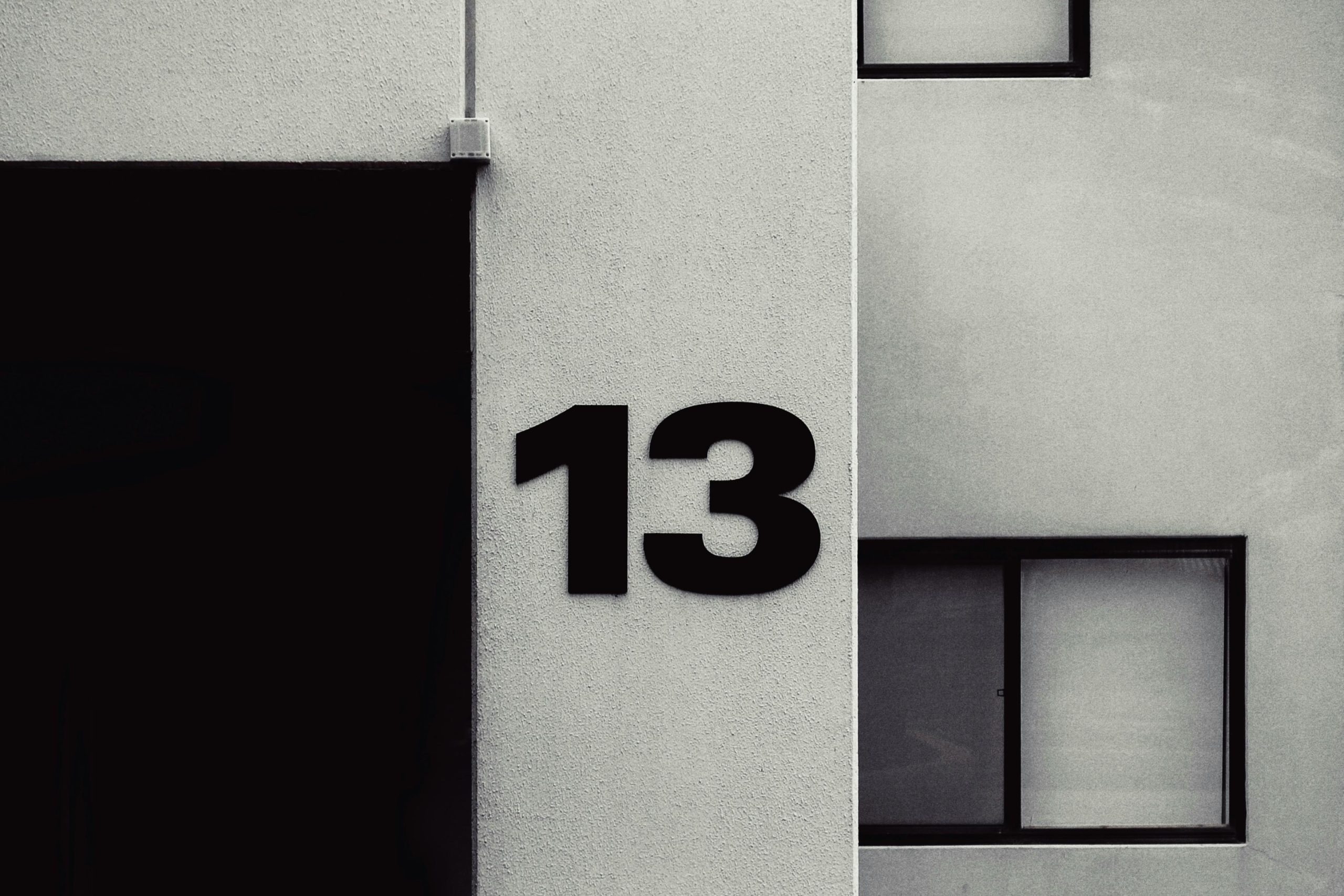
Did You Ever Wonder Why Number 13 Gets a Bad Rap?
Imagine this: you’re watching a cartoon where the main character refuses to enter a room numbered 13, or a scene in a movie where a creepy event unfolds on Friday the 13th. You’ve probably noticed how often the number 13 pops up during spooky or unfortunate events in stories. This isn’t an accident! People seem to have a real-life fear of the number 13. In this blog post, we’re going to explore “Unraveling the Mystery: Why Is 13 Considered an Unlucky Number?” Let’s dive into this intriguing topic and see if we can make sense of this superstition.
Origins in History and Mythology
One of the most popular theories behind why 13 is considered unlucky stems from religious beliefs and historical events. In Christianity, Judas, who betrayed Jesus, was the 13th guest to sit down at the Last Supper. This association between the number 13 and betrayal or bad luck has stuck in many people’s minds.
Similarly, in Norse mythology, there’s a story about 12 gods having a dinner party in Valhalla, their heaven. Loki, the god of mischief, was not invited but crashed the party as the 13th guest. He caused chaos which led to the death of Balder, one of the beloved gods. This tale added to the superstition that having 13 guests at a table is a bad omen.
How Buildings and Airlines Avoid the Number 13
Have you ever been in a tall building and noticed that the elevator buttons jump from floor 12 to 14? Or maybe you’ve booked a flight and realized there’s no row 13 on the airplane? This is no coincidence. Many building developers and airlines avoid using the number 13 because it’s deemed unlucky. They do this to avoid unsettling people who have a fear of the number, known as triskaidekaphobia.
These examples show how seriously some people and organizations take this superstition, purely to ensure comfort and avoid the anxiety associated with the number 13.
Famous Incidents and Cultural Influence
On top of religious and mythological stories, some historical events have contributed to the fear of the number 13. One such event is the arrest of the Knights Templar. The Knights Templar was a powerful and wealthy military group during the Middle Ages. On Friday, October 13, 1307, King Philip IV of France arrested hundreds of Templar Knights. This day is sometimes blamed for the origin of the unlucky Friday the 13th.
Moreover, you’ll find the number 13’s influence in various cultures which keep reinforcing its reputation. For instance, many horror movies and books use Friday the 13th to enhance their spooky plot. This cultural reinforcement makes the superstition stick even more in people’s minds.
Does Science Support the Fear of Number 13?
Scientifically, there is no evidence to suggest that the number 13 is indeed unlucky. Studies show that any bad luck associated with the number is frequently a result of belief in the superstition itself, rather than the number causing misfortune. This psychological effect is where people expect bad things to happen on this day, which makes them more likely to notice and remember negative events.
FAQ Section
Q: What is triskaidekaphobia?
A: Triskaidekaphobia is an intense fear of the number 13. It can cause anxiety and avoidance behaviors in people who have this phobia.
Q: Are there any cultures that think 13 is a lucky number?
A: Yes, in some cultures, like Italy, the number 13 is considered lucky. It’s seen as a symbol of prosperity and life.
Q: Why do some buildings not have a 13th floor?
A: Owners skip the number 13 for floors to avoid discomfort among tenants or visitors who might have triskaidekaphobia or just general superstitions about the number being unlucky.
Q: How common is fear of the number 13?
A: It’s quite common in Western cultures, which is why you might see skips in numbering for hotel rooms, floors, or hospital rooms.
Conclusion
As we wrap up our exploration into “Unraveling the Mystery: Why Is 13 Considered an Unlucky Number?”, it’s clear that the number’s bad reputation largely comes from historical, religious, and cultural influences. Fear of the number 13, while fascinating, is more about human psychology and shared cultural stories than any concrete evidence of bad luck. Next time you come across the number 13, whether it’s a Friday the 13th or a 13th floor, remember that it’s just another number with a particularly colorful past!