
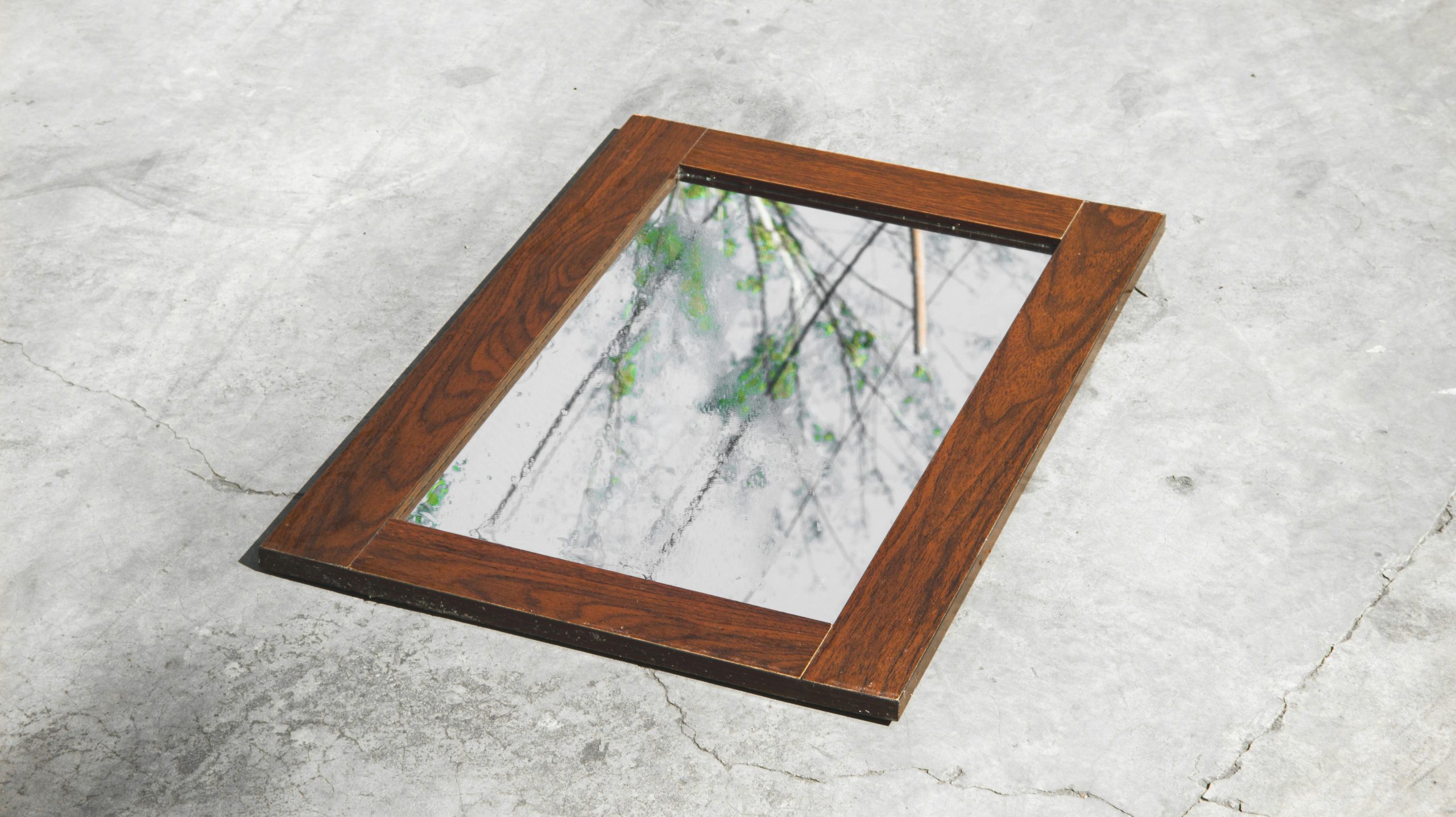
Have you ever accidentally broken a mirror and felt a chill run down your spine because you remembered something about bad luck?
You’re not alone! Let’s dive into the intriguing world of the breaking a mirror superstition meaning: unveiling the legends behind 7 years of bad luck. This belief is so widespread that almost every one of us has heard it whispered at least once after a mirror shatters. But where did this idea come from, and why such a specific number of years? Let’s uncover these mysteries step by step.
Where Did the Mirror Superstition Originate?
The origin of the belief that breaking a mirror brings seven years of bad luck traces back to ancient history. Mirrors were not always the cheap, everyday items we know today. In ancient times, they were rare and expensive, primarily made from polished metals like bronze. Given their rarity and cost, it was indeed bad luck to break one!
The superstition was also fed by the fact that mirrors were believed to hold a piece of the soul. This idea wasn’t unique to one culture; it appears in various forms across several civilizations. For instance, in ancient Rome, mirrors were thought to reflect not just one’s physical appearance but their essence or spirit. Romans also believed that life renewed itself every seven years. So, if you broke a mirror, your soul would be harmed for the duration of this renewal cycle, bringing bad luck for seven years.
How Did This Belief Spread?
As with many ancient beliefs, the superstition about breaking mirrors and bad luck spread far and wide with trade and conquest. By the medieval period in Europe, mirrors had evolved from polished metal to glass backed with a metallic material, becoming more reflective and, importantly, more fragile. The idea of bad luck following the breaking of such an essential item persisted and intertwined with local folklore, thus keeping the superstition alive through the centuries.
Is There Any Truth to This Belief?
From a scientific standpoint, there’s no evidence to suggest that breaking a mirror has any supernatural effects. Superstitions often arise from human attempts to explain or rationalize the world around them, especially in times when science didn’t offer the answers we have today. So, while breaking a mirror might mean you need to buy a new one, it doesn’t mean you’re in for seven years of bad luck.
How Do People Respond to This Superstition Today?
Even today, many people take the superstition about breaking mirrors seriously—either as a fun cultural tidbit or a genuine belief. Some might even perform specific rituals to “break” the curse, such as throwing salt over their shoulder or spinning around three times in the hopes of neutralizing the bad luck.
Frequently Asked Questions About Breaking a Mirror Superstition
1. Are there ways to avoid the bad luck after breaking a mirror?
Yes, some folk traditions suggest that grounding the pieces of the broken mirror in water or burying them can avert the bad luck.
2. Do all cultures believe that breaking a mirror brings bad luck?
No, this is not a universal belief. The meaning and importance of mirrors, as well as superstitions about breaking them, vary widely among different cultures.
3. What should I do if I break a mirror?
Apart from careful cleanup to avoid injury, there’s no specific action you need to take unless you want to engage with the superstition for fun or cultural reasons.
Conclusion
Understanding the breaking a mirror superstition meaning: unveiling the legends behind 7 years of bad luck gives us a fascinating peek into human culture and history. While it’s clear that this superstition, like many others, was born from a mix of ancient beliefs and misunderstandings about how the world works, it also showcases the powerful role that storytelling plays in our lives. So next time you hear the tinkle of broken glass, remember: it’s just a mirror, and any bad luck is probably just a coincidence. Stay curious and keep exploring the myths and stories that shape our world!