
Starting with a Surprising Fact
Did you know that in many parts of the world, people throw a pinch of salt over their left shoulder to ward off bad luck? This act is rooted in a widespread belief that lies deep in history and culture: the spilling salt superstition. Isn’t it fascinating how such a small gesture can carry so much meaning?
Unlocking Luck: How Spilling Salt Superstition Influences Our Daily Lives
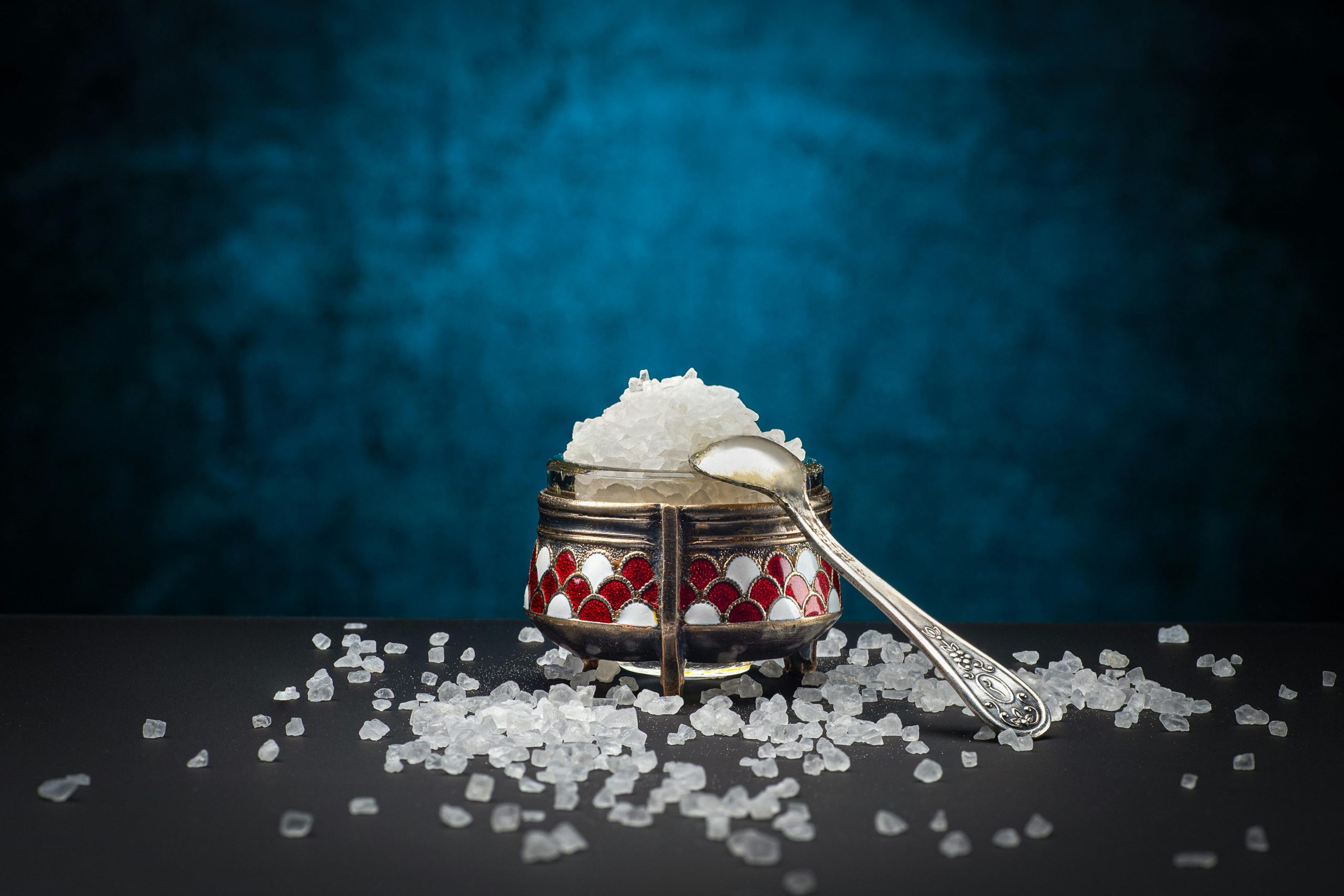
Picture this: you’re enjoying a lovely dinner with your family, and suddenly, you knock over the salt shaker. Oh no! Some might ignore it, but others might quickly toss a pinch of salt over their left shoulder. Curiously, this response to spilling salt is a classic example of how ancient superstitions are woven into the fabric of daily routines and customs around the world.
Where Did This Superstition Come From?
The idea of salt as a bringer of bad luck goes way back to ancient times. Long ago, salt was extremely valuable, not just as a seasoning but as a preserver of foods. Thus, wasting salt was considered not only careless but also an invitation to attract negative energy.
One interesting origin story is linked to Leonardo da Vinci’s famous painting ‘The Last Supper.’ In this painting, Judas, the disciple who betrayed Jesus, is shown knocking over a salt cellar. This image helped cement the association of spilt salt with betrayal and misfortune in Western cultures.
How Does Spilling Salt Influence Us Today?
In everyday life, it may seem odd that such a small thing like spilling salt could influence our feelings and actions. However, this superstition does impact us in some interesting ways:
-
Caution and Care: Some people become more careful when handling salt. This small subconscious action can extend to other areas of life, promoting a general mentality of attentiveness and caution.
-
Positive Rituals: Throwing salt over the shoulder can turn a moment of worry into a more positive experience. By participating in this ritual, people might feel they have ‘corrected’ the bad luck, bringing a sense of control and peace.
-
Cultural Identity: For some, these rituals are a way to connect with history and tradition. They can be a fun topic of conversation and a means of passing cultural stories down through generations.
How Can We ‘Unlock Luck’ in Our Lives?
Understanding superstitions like spilling salt gives us a window into human psychology. We often seek control in a world full of uncertainties. Superstitions can provide comfort, even if they are just symbolic. Looking at why and how these beliefs impact us might lead us to question other irrational fears or habits we have. Thus, ‘Unlocking Luck: How Spilling Salt Superstition Influences Our Daily Lives’ isn’t just about understanding a quirky habit; it’s about understanding ourselves and our society.
FAQ Section
Q1: Is there any real bad luck associated with spilling salt?
A1: Actually, no. There is no scientific evidence to suggest that spilling salt brings bad luck. It’s a cultural belief or tradition.
Q2: Why do people throw salt over their left shoulder?
A2: It’s believed that the devil or a bad spirit lurks over the left shoulder, waiting to cause trouble. Throwing salt is supposed to hit and blind the devil, which prevents him from causing any more mischief.
Q3: Are there other superstitions related to salt?
A3: Yes, in many cultures, salt is also used to cleanse, protect, and bless homes. It’s thought to drive away bad energy and protect occupants.
In Conclusion
While it might seem like a simple kitchen accident, spilling salt has been surrounded by beliefs and customs that reach deep into cultural history. By exploring the superstition of spilling salt, we do more than just understand why some people toss salt over their shoulder. It helps us unlock a part of human nature that finds ways to cope with the small uncertainties of daily life. Whether we follow these practices or not, recognizing why they exist can help us appreciate the rich tapestry of human beliefs and behaviors that color our world.
Remember, superstitions like the one about spilling salt open a door to historical traditions and our interaction with them in modern times. Understanding these can be as insightful as they are fun!