
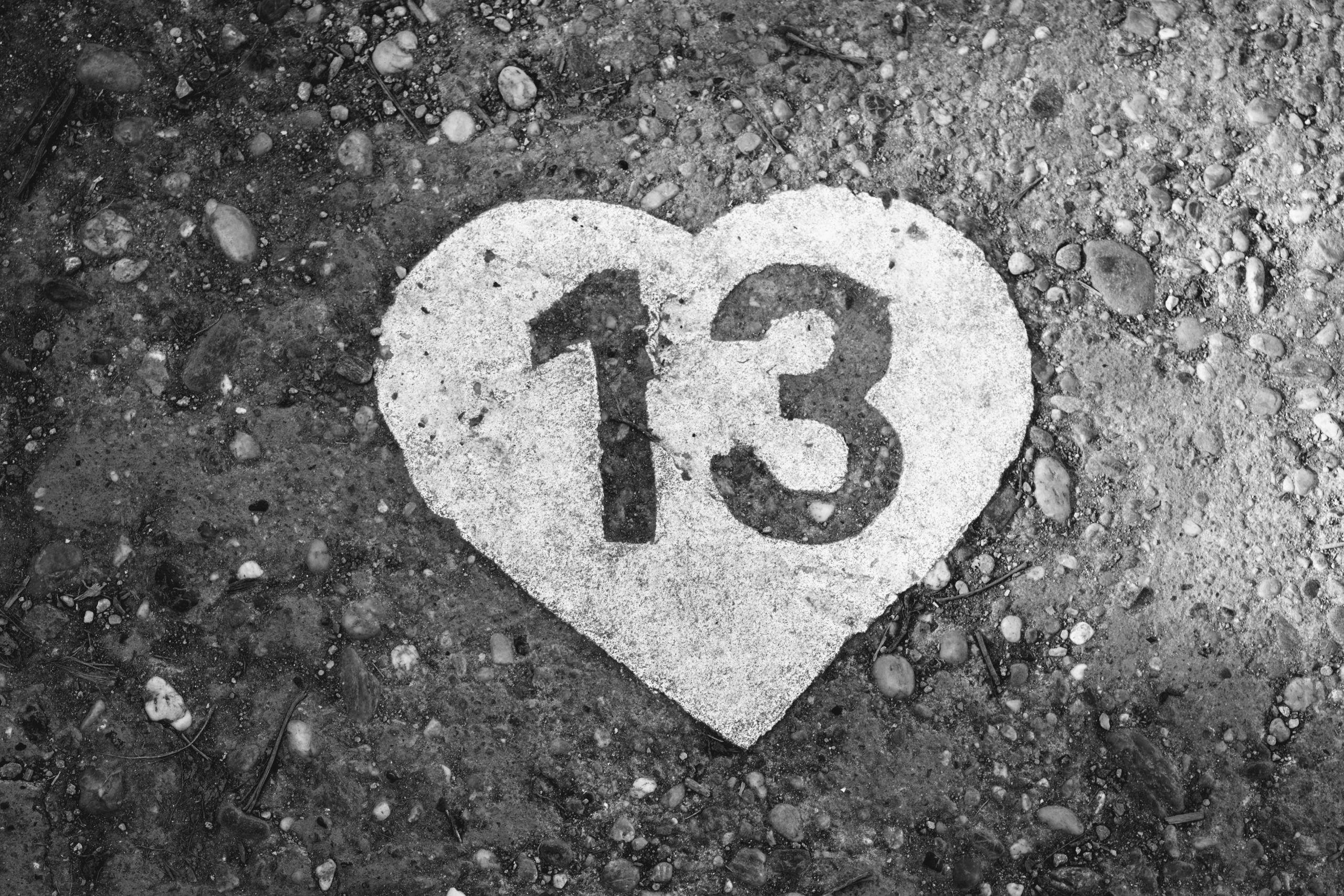
Unraveling the Unlucky Number 13 Myth: Origins and Cultural Impact
Did you know that in some countries, buildings don’t have a 13th floor or hotels skip room number 13 because people think it’s unlucky? It’s a peculiar thing, isn’t it? Let’s dive into the story of why the number 13 got such a spooky reputation and how it affects cultures around the world today.
The Origins of the Unlucky Number 13
Our journey to understanding the fear of the number 13, often called “triskaidekaphobia,” starts in ancient history. There are several stories and myths that point to why many consider 13 unlucky.
1. The Last Supper: One of the most famous stories comes from Christianity. At the Last Supper, there were 13 people around the table, including Jesus and his 12 disciples. The twist in the story is that one of the disciples, Judas, who sat at the table, later betrayed Jesus, leading to his death. Since then, the number 13 has had a bad reputation in Christian tradition.
2. Norse Mythology: Another tale comes from the Vikings in Scandinavia. According to a Norse myth, 12 gods were having a dinner party in their heaven, Valhalla, when Loki, the god of mischief and chaos, crashed the party as the 13th guest. Loki caused the death of Balder, one of the beloved gods, which brought darkness and mourning to the world.
Because of these stories and others, the number 13 started to symbolize bad luck and misfortune in various cultures.
Impact on Everyday Life
The fear of the number 13 isn’t just limited to old stories. It has real consequences in today’s world! Unraveling the Unlucky Number 13 Myth: Origins and Cultural Impact becomes evident in both big and small ways, from skyscrapers to airports.
1. Buildings: In many places, especially in the United States, some buildings skip the 13th floor. What happens is when you are in an elevator, the button panel jumps from 12 straight to 14. People who own these buildings believe that not having a 13th floor is safer for superstitious people.
2. Airplanes and Airports: Have you ever noticed that most airplanes don’t have a 13th row? Similarly, some airports skip gate 13. It’s all based on the idea of avoiding bad luck.
3. Hospitality: Hotels, just like buildings, often do not have a room number 13. Hotel owners are trying to make sure that guests aren’t uncomfortable during their stay because of superstitions.
Cultural Variations
Not every culture sees the number 13 as unlucky. For instance, in Italy, 13 is considered a lucky number! The expression ‘fare tredici’ (literally ‘to do 13’) is used when someone hits the jackpot or has a stroke of luck. This shows that while some superstitions are widespread, others can be quite the opposite depending on where you are in the world.
Frequently Asked Questions (FAQs)
Q1: Why is the number 13 considered unlucky?
A1: The number 13 is considered unlucky because of various historical and cultural stories where the number 13 was associated with betrayal, misfortune, or death, like in the Last Supper or Norse mythology.
Q2: Are there places where 13 is considered lucky?
A2: Yes, in some cultures, like in Italy, the number 13 is considered lucky and associated with prosperity and good fortune.
Q3: Can the fear of the number 13 affect people’s lives?
A3: Yes, it can lead to anxiety for some people, and it affects choices in architecture, travel, and other aspects of daily life due to widespread superstitions.
Conclusion
Unraveling the Unlucky Number 13 Myth: Origins and Cultural Impact reveals how a simple number can carry a lot of weight in our culture. Whether it causes us to skip floors in a building or makes us nervous on Friday the 13th, the story of number 13 shows us that beliefs from our past can linger long into our future. Understanding where these superstitions come from helps us address them today and perhaps worry a little less about a number and more about making our own luck every day.