
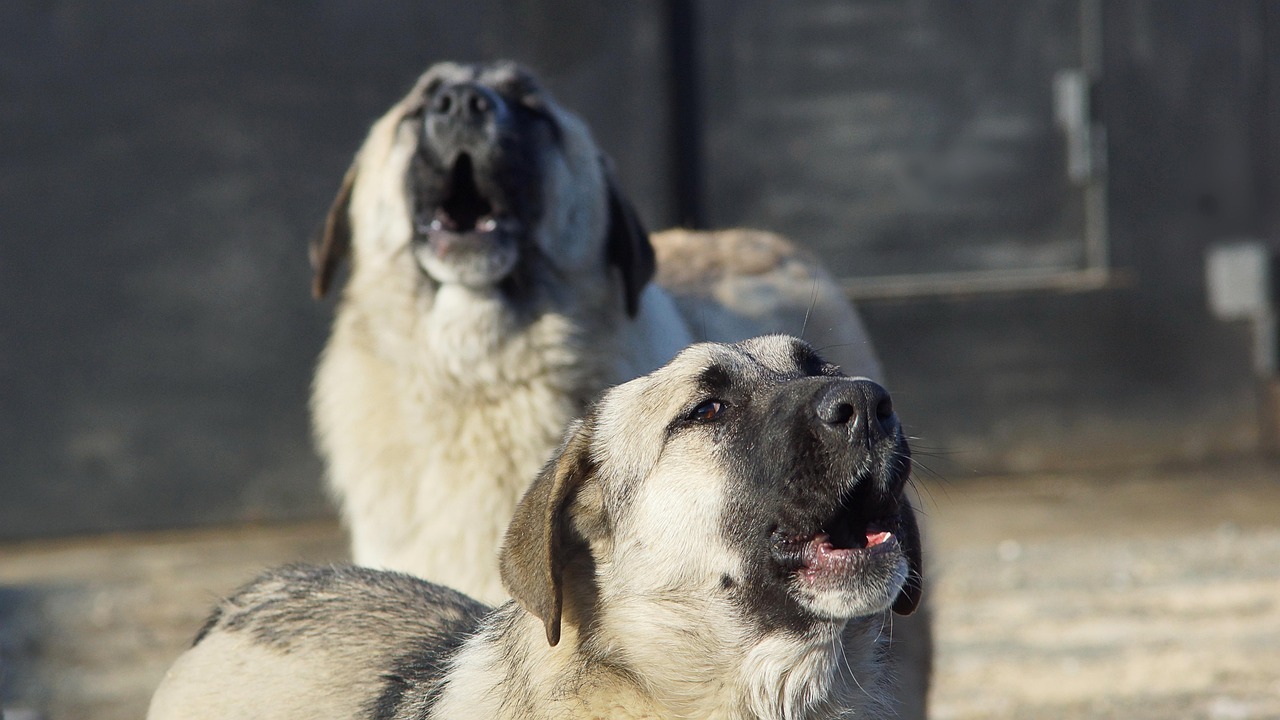
Unveiling the Mystery: Dog Howling Superstition Explained
Have you ever been spooked by the sound of a dog howling in the middle of the night? It’s enough to send a shiver down anyone’s spine, especially if you’ve grown up hearing all the mysterious tales and superstitions linked to it. Today, we will uncover the truth and delve deep into the ‘Unveiling the Mystery: Dog Howling Superstition Explained,’ making it as simple as possible so that by the end, all those old wives’ tales won’t scare you anymore!
Why do Dogs Howl?
Firstly, let’s decode why dogs actually howl. Imagine you’re in a huge field and want to tell your friend something important but they’re far away; you’d probably shout, right? Well, for dogs, howling is a bit like shouting. It’s their way of communicating over long distances, calling their pack or even expressing themselves when they feel certain emotions like loneliness or excitement.
The Ancient Beliefs
Now onto the intriguing part – the superstitions! Long ago, before science was there to explain the natural phenomena around us, humans had to make sense of the world somehow. Dogs’ howling, especially at night, stirred fear and curiosity. Different cultures started linking it to various superstitions. Some thought it was a sign of an impending death or a ghostly visit. Quite spooky, right?
In many places around the world, a dog howling with its head raised high and facing towards a house was believed to bring bad luck to that household. In contrast, some Native American tribes respected the howl as a sacred sound, believing it represented the spirit of brave departed warriors.
Science Behind the Superstitions
While these stories are fascinating, science gives us a more down-to-earth explanation. Unveiling the Mystery: Dog Howling Superstition Explained isn’t as mystical as it appears. Veterinarians and animal experts believe that dogs often howl in response to environmental triggers. These triggers could be as common as hearing a siren, another dog in the distance, or feeling anxious and seeking attention from their owners.
The Full Moon Connection
One cannot talk about howling without mentioning the full moon, right? Movies and books have bolstered the eerie image of a dog howling at the full moon. But sorry to burst the ghostly bubble – it’s more coincidental than supernatural. A dog might howl more during a full moon simply because the night is lighter and they’re more active, spotting more things to howl at. It’s their natural instinct!
Debunking the Myths
As we get better at understanding our furry friends through science, many old beliefs are quickly unraveling. Today, when you hear a dog howling, instead of feeling an eerie chill, you can think of it as a part of their natural behavior. Unveiling the Mystery: Dog Howling Superstition Explained here shows us that there’s usually a logical explanation for much of what scares or confuses us.
FAQ Section
-
Q: Can all dogs howl?
- A: Yes, all dogs can howl, but some breeds like Huskies and Alaskan Malamutes are more prone to it because they’re closer to their wolf ancestors who use howling extensively.
-
Q: Should I be worried if my dog howls a lot?
- A: Not necessarily, but if your dog suddenly howls more than usual, check if they’re either responding to something external or if it might be a sign of pain or discomfort.
-
Q: Is there a way to stop my dog from howling?
- A: While you might not stop the occasional howl, ensuring your dog feels secure and isn’t left alone for long periods can reduce anxiety-induced howling.
Conclusion
In dispelling the fears surrounding the ‘Unveiling the Mystery: Dog Howling Superstition Explained,’ we learn something very important — knowledge is power. Understanding why dogs behave the way they do replaces fear with respect and appreciation. Next time you hear a dog howl, remember, it’s not a signal of bad luck but just another amazing aspect of our interesting canine companions. So, let’s put those old spooky tales to rest and embrace the more logical explanations offered by the modern world!