
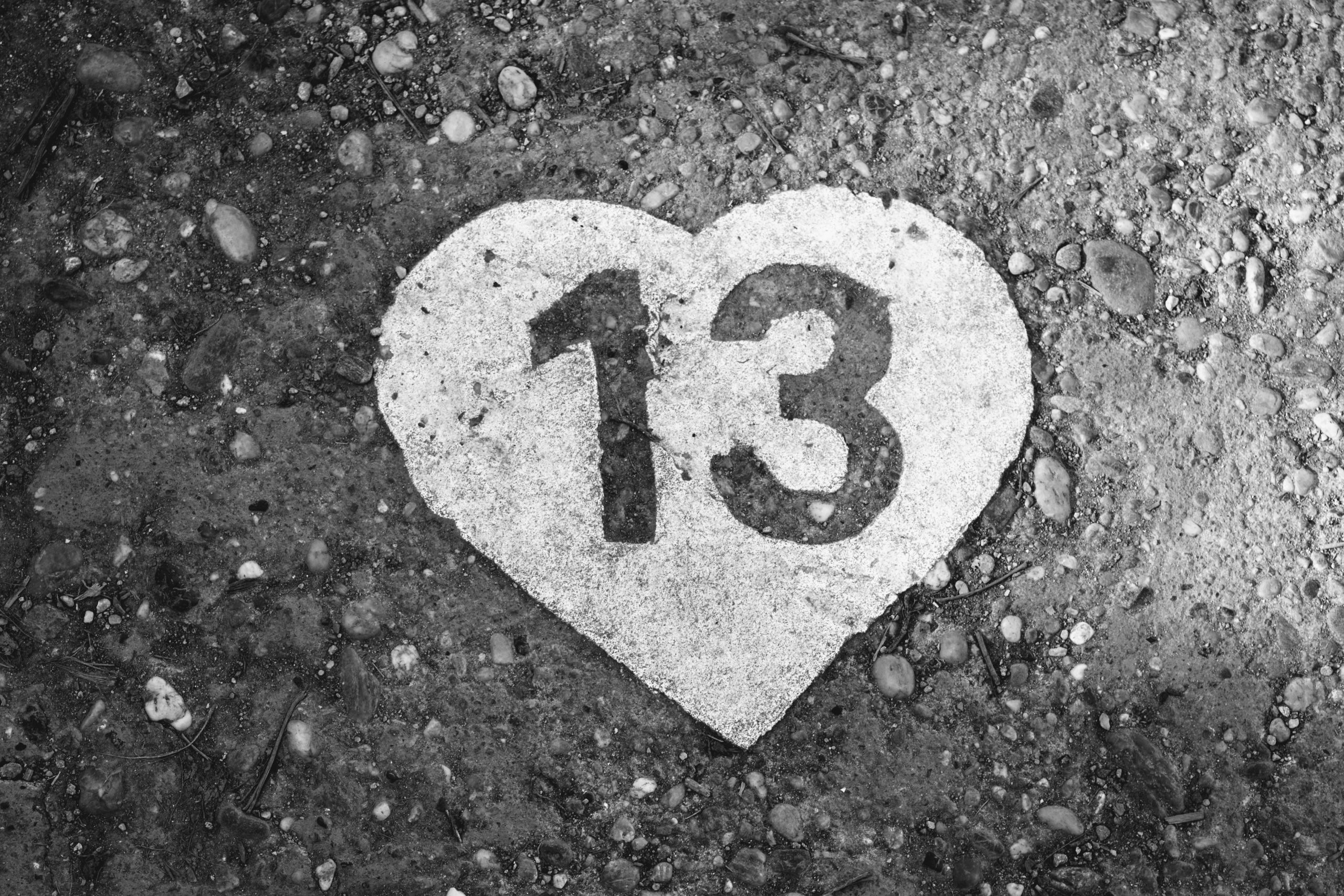
Have you ever wondered why some buildings don’t have a 13th floor?
The number 13 is famously known across many cultures as an unlucky number. This strange fear even has a special name: triskaidekaphobia. Today, let’s dive into Unveiling the Myths: How Our Fear of the Unlucky Number 13 Shapes Culture and Beliefs. Together, we’ll explore where this superstition comes from, how it affects our society, and why even in modern times, this number continues to evoke a mixture of humor and serious anxiety.
The Origins of the Number 13’s Bad Reputation
So, why is 13 considered unlucky? Historically, there are many stories and legends that label this number as an omen of misfortune. One of the most common beliefs comes from Christianity – at Jesus Christ’s last supper, there were 13 people at the table, and one of them, Judas Iscariot, betrayed Jesus. This event marked 13 as a symbol of betrayal and bad luck.
In Norse mythology, a story explains that during a dinner party in Valhalla, the hall of the gods, Loki, the god of mischief and the 13th guest, caused chaos leading to the death of a beloved hero, Balder. This narrative reinforced the fear that inviting 13 guests to a dinner would bring bad luck.
How Does the Fear of 13 Shape Our World?
This superstition isn’t just an old wives’ tale; it actually influences modern-day actions and decisions. For example, many high-rise buildings, hotels, and hospitals skip the 13th floor or avoid having a room number 13. The fear is so real that it changes architecture and business practices!
Furthermore, culturally, many people avoid getting married on the 13th of any month, hosting a party with 13 guests, or even purchasing houses with the number 13 in the address. In terms of economic impact, it’s estimated that in the United States alone, the fear of 13 can influence up to $900 million in losses each Friday the 13th, as people choose not to engage in their usual spending routines.
Interesting Reflections on the Number 13
Despite its notorious reputation, the number 13 is seen very differently around the world. In some cultures, 13 is actually considered lucky. For instance, in Italy, 13 is seen as a symbol of prosperity and life. This contrasting view shows that the fear of 13 isn’t universal, but rather a cultural construct.
In more scientific communities, people often chuckle over the fear of 13 as a curious superstition upheld by none other than the oddities of human belief. Mathematicians might pitch in, offering that 13 is a prime number, which makes it unique and interesting rather than feared.
Impact of Triskaidekaphobia in Modern Times
Even with advancements in science and technology, the fear of number 13 still looms in the corners, influencing decisions subtly. It’s fascinating to see how a simple superstition can become deeply ingrained into the fabric of everyday life, bridging generations through a shared albeit irrational fear.
FAQs About Unveiling the Myths: How Our Fear of the Unlucky Number 13 Shapes Culture and Beliefs
1. Why do some hotels skip the 13th floor?
- Many hotels skip the 13th floor to avoid discomfort among guests who may have triskaidekaphobia — a fear of the number 13.
2. Are there any places where 13 is considered lucky?
- Yes, in countries like Italy and also among certain groups, 13 is seen as a symbol of prosperity and life.
3. Is there a scientific basis for fearing the number 13?
- There is no scientific reason to fear the number 13. It is considered unlucky mainly because of cultural, historical, and religious reasons.
Conclusion
In Unveiling the Myths: How Our Fear of the Unlucky Number 13 Shapes Culture and Beliefs, we see that this superstition stretches far and wide, influencing architecture, economics, and daily decisions. As we become more aware of its origins and impacts, perhaps we can look at the number 13 differently, not with fear, but with curiosity and open-mindedness. After all, it’s just another number, isn’t it? Let’s challenge ourselves to think beyond the myths and shape a culture that thrives on understanding rather than irrational fear.